Guide
How to Choose Vape Cartridges
Jul
Why Choosing the Right Cart Matters
A vape cartridge looks like a simple product from the outside, but small differences change the entire experience. Two carts can share the exact same “THC vape” label and still feel worlds apart in flavor, onset, smoothness, and how much you actually get out of each session.
That gap matters most when you are ordering online without a chance to sample first. A poor match means harsh pulls, clogging, weak effects, or a strain profile that fights against the time of day you planned to use it. A good match gives you something closer to a predictable, repeatable result, which is really what most of us are paying for.
We think of this as a filtering problem, not a guessing game. Extract type, strain profile, potency, hardware, and battery compatibility each rule things in or out. Work through them in that order and the right cart tends to be obvious by the end.
How to Choose Vape Cartridges by Goal
The quickest way to shop smart is to decide what you actually want the cart to do before you look at a single product page. Such as our Muha Meds Carts
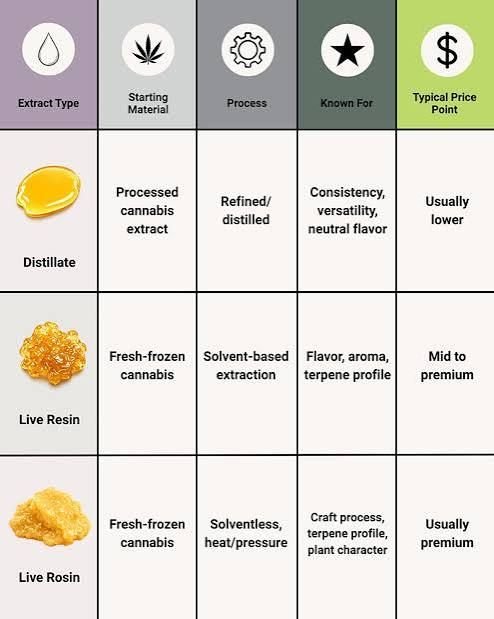
If cost per cart is the priority, distillate is usually the better value. If you want stronger cannabis flavor and a fuller feeling effect, live resin tends to be the upgrade worth paying for. If you want the cleanest, most premium oil on the market, live rosin is the top shelf option, though you will pay for it.
Time of day matters too. For casual daytime use, a lot of people lean toward sativa or balanced hybrid profiles. For late evening, indica-leaning carts are usually the safer pick. And if you are shopping by potency number alone, be careful. The highest THC percentage on the label is not always the most satisfying cart in the pull.
Start With the Oil Type
Oil type is the filter that changes your buying decision more than any other single factor, so it makes sense to start here.
Distillate Cartridges
Distillate carts are common for a reason. They are affordable, potent, and available almost everywhere, and they usually test high in THC with added botanical or cannabis-derived terpenes to round out the flavor.
They make sense if price and strong THC delivery matter more to you than a complex flavor profile. The tradeoff is that some distillate carts can feel a bit flat or one-dimensional compared with resin or rosin, since the natural plant compounds were stripped out during refining.
Live Resin Cartridges
Live resin is made from fresh-frozen cannabis rather than dried and cured flower, which usually means better terpene retention, a stronger aroma, and a more strain-specific feel. If flavor is what you’re chasing, this is where a lot of repeat buyers land after starting with basic distillate.
Expect to pay more than you would for distillate. Most people who make the jump consider it worth the extra cost, since the balance of potency and flavor tends to land in a sweet spot that plain distillate rarely reaches.
Live Rosin Cartridges
Live rosin sits at the premium end. It’s typically solventless, terpene-rich, and the most expensive option on the shelf.
If clean extraction and top-shelf flavor are the priority, rosin makes sense. If you’re trying to stretch a budget across several carts, it usually doesn’t, and that’s a fair tradeoff to make consciously rather than by accident.
CO2 and Other Extracts
CO2 oil sits somewhere in the middle, and quality varies a lot depending on the brand and hardware behind it. It can be smooth and clean when it’s done well. When you’re unsure, compare the extraction method against price, terpene content, and hardware quality rather than trusting the label alone. That comparison tells you more than the extraction method name ever will.
The extraction method itself, whether it uses solvents or relies purely on mechanical heat and pressure, also affects how much of the plant’s natural terpene profile survives the process.
FIND YOUR CART BY EXTRACT TYPE
Comparing distillate, live resin, and live rosin side by side gets a lot easier once you’re looking at real listings instead of guessing from a label. We keep our current selection sorted by extract type so you can narrow it down in a couple of minutes.
Browse CartridgesCompare Cartridge Types at a Glance
Here’s the short version, side by side, so you can see where each type lands before you commit to one.
| Cartridge type | Best for | Typical strength | Flavor quality | Price position |
|---|---|---|---|---|
| Distillate | Budget and potency | High | Moderate | Lowest |
| Live Resin | Flavor and balanced effects | High | High | Mid to high |
| Live Rosin | Premium buyers | Moderate to high | Very high | Highest |
| CO2 Oil | Smooth general use | Moderate to high | Moderate | Mid |
Check Strain Profile, Not Just the Name
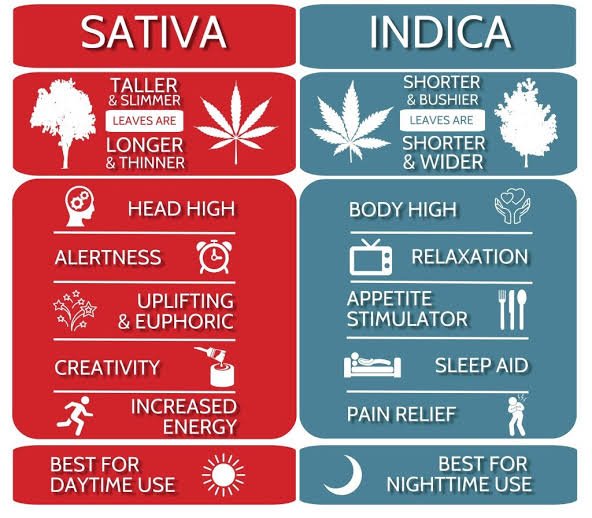
A catchy strain name grabs attention fast, but it shouldn’t be your only filter. Look at whether the cart is sold as indica, sativa, or hybrid, and think honestly about when you plan to use it.
Indica-leaning carts tend to get chosen for slower evenings and a heavier, body-focused feel. Sativa-leaning carts are usually preferred for active or social settings. Hybrids cover the middle ground and are often the easiest blind buy if you want something that works for more than one occasion.
If a listing mentions terpene notes like citrus, gas, pine, or fruit, pay attention to that detail. Terpenes and other minor compounds are believed to shape the overall feel of a strain alongside THC itself, sometimes called the entourage effect, though a recent terpene review found the clinical evidence behind specific terpene effects is still exploratory rather than settled. Those notes are still a more useful signal than the strain name by itself.
Potency: Strong Is Not Always Better
A lot of shoppers sort by THC percentage first. That instinct makes sense on paper, but it can backfire in the pull.
A 90% THC distillate cart can look better on a spec sheet than a 75% live resin cart, yet the resin cart may end up delivering a fuller, more satisfying effect because terpenes and minor cannabinoids are contributing to the experience too. Potency still matters. It just matters less than the overall profile once you’re past the entry-level stage.
“The highest number on the label isn’t always the best session in the pen.”
Worth knowing: average THC potency in cannabis products has climbed sharply over the past three decades. According to federal drug research data, average THC content in seized cannabis products roughly quadrupled between 1995 and 2022, and dispensary flower and concentrates today can test above 40% THC. That climb is exactly why potency alone is a shrinking piece of the real story.
If you’re new to cartridges, starting with the highest potency option on the shelf usually isn’t the smart move. A cart that feels manageable, smooth, and repeatable from the first pull is the better buy, even if the number on the label is lower.
Hardware Quality Decides Whether the Cart Is Worth It
Bad hardware ruins good oil, full stop. It’s one of the easiest ways to waste money on an otherwise decent product.
What to Look For
Look for ceramic coils, quality glass tanks, leak-resistant design, and standard 510 threading if you’re buying cartridges separately from a battery. Cheap, metal-heavy hardware is more likely to clog, run hot, or mute the flavor you paid extra for.
A well-built cart should also have consistent oil fill, clean construction, and no obvious signs of separation or leaking around the mouthpiece. Thick oil sitting a little unevenly isn’t automatically a problem, but sloppy assembly usually is a preview of how the cart will perform.
Compatibility With Your Battery
Before you add anything to your cart, confirm the cartridge actually fits your battery. Most carts use 510 thread, which has become the industry’s default connection, but not every device performs the same way even within that standard.

[Source or create a horizontal photo of a 510 thread battery beside a vape cartridge, both oriented to show the threaded connection point]
Lower voltage generally protects flavor better, especially for live resin and live rosin. Higher voltage can hit harder, but it also raises the risk of a burnt taste and a shorter cartridge lifespan. It’s also worth knowing that reputable battery makers test their devices against independent electrical safety standards covering the battery, heating element, and charging system as a complete unit, which is a decent proxy for overall build quality.
CHECK WHAT’S IN STOCK BEFORE YOU DECIDE
Hardware specs and lab results are usually buried in fine print, if they’re listed at all. We publish extract type, potency, and testing details right on every cart page, so you’re not buying on guesswork.
View Current StockHow to Spot Better Quality Before You Buy
When you’re comparing options, look for listings that clearly state the extract type, cannabinoid content, strain profile, and hardware format. A vague listing is usually not a good sign, regardless of how nice the packaging looks.
Lab testing matters just as much as the hardware itself. You want confirmation that the cart has been screened for potency and common contaminants before it reached the shelf. It’s worth noting that federal health surveillance found that the large majority of vaping-related lung injury cases involving THC products traced back to informal, untested sources rather than licensed, lab-tested retailers, which is a strong argument for sticking with tested product in the first place. A clean, transparent listing is generally a better signal than hype-heavy copy with nothing to back it up.
A Quick Branching Quiz
If you’d rather skip the reading and get a direct answer, use the quiz below to find your starting point.
What matters most to you right now?
Red Flags That Should Stop the Purchase
If a cartridge listing has unclear labeling, no extract details, no hardware information, or pricing that looks unrealistically low, pause before you buy. Those are common signs of weak quality control or a listing that’s hiding more than it’s showing.
Also be skeptical of any cart promising everything at once: highest potency, best flavor, premium extraction, and the lowest price, all in a single product. Usually at least one of those claims breaks first, and it’s rarely the price that turns out to be honest.
How Many Carts Should You Buy?
That depends on your usage pattern and whether you already know how the product line performs for you.
If you’re testing a new extract type, buy one or two carts first rather than committing to a full case. If you already know a brand or category works for you, a multi-cart order usually gets you better pricing and fewer reorders down the line. For regular buyers, mixing one budget cart with one premium cart is a practical way to cover both daily use and higher-end sessions without overspending on either.
Best Buying Strategy for Online Orders
Start narrow, not wide. Pick your extract type first, then your intended use, then your price ceiling. That sequence keeps you from getting buried under dozens of product pages that all start to look the same.
If you’re building an order right now, compare distillate for value, live resin for flavor, and live rosin for premium quality side by side before you add anything to your bag. If you want the faster route, check the cartridge options available today, compare potency and hardware details, and build your order around the effect you’re actually after rather than the flashiest label.
BUILD YOUR ORDER AROUND YOUR ACTUAL PLAN
Mixing one budget cart with one premium pick usually covers more ground than betting everything on a single product. We’ve set things up so you can sort by price, extract, and strain profile in the same order without opening ten tabs.
Start Your OrderThe Best Cart Is the One That Fits the Session
A good cartridge isn’t just strong on paper. It matches your battery, your budget, your flavor preference, and the time of day you actually plan to use it. Run through those filters in order, and the right cart usually stops being a guess and starts being obvious.
Frequently Asked Questions
Is live resin always better than distillate?
Not always. Live resin usually wins on flavor and overall feel, but distillate wins on price and straightforward potency. Which one is “better” really depends on whether you’re optimizing for cost or for a fuller sensory experience.
Does higher THC percentage mean a stronger high?
Not reliably. Terpenes and minor cannabinoids influence how a cart feels, so a lower-percentage live resin cart can feel more potent in practice than a higher-percentage distillate cart. Treat the THC number as one input, not the whole answer.
Will any 510 thread battery work with any cartridge?
Most of the time, yes, since 510 threading is close to a universal standard. Voltage and heating style still vary between batteries though, and a mismatch can produce a burnt taste or weaker vapor even when the thread technically fits.
How can I tell if a cartridge has been lab tested?
Check the product listing for potency and contaminant test results, usually shown as a certificate of analysis or a summary of THC, CBD, and screening results. If that information is missing or vague, treat it as a warning sign rather than an oversight.
How many cartridges should a first-time buyer order?
One or two is plenty to start. It lets you judge flavor, hardware quality, and effect before committing to a larger multi-pack of an extract type or strain you haven’t actually tried yet.
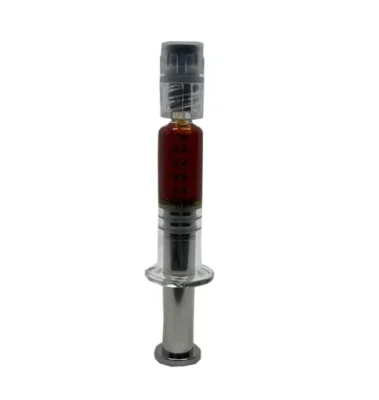
DMT Vape Top DIY Refill Syringe 1ml
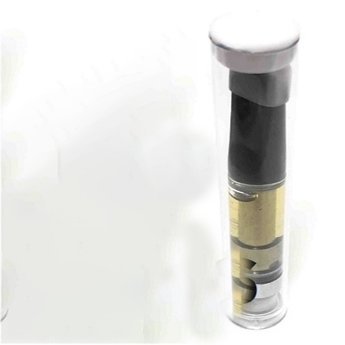
NN-DMT Vape Cart 5x1ML (5x1000mg) 5 Cartridge SPECIAL DEAL!!
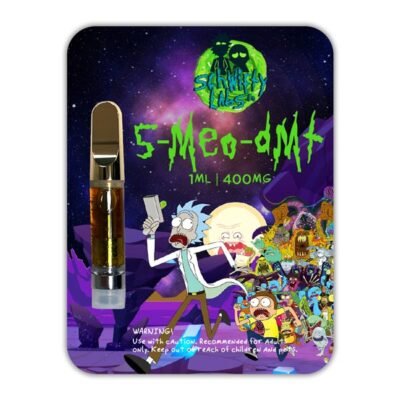
Schwifty Labs – 5-Meo-DMT(Cartridge) 1mL - 400mg