
Guide
CBD Tinctures: Find the Right Strength and Formula
Aug
Intro
CBD tinctures are one of the simplest ways to buy CBD with clear milligram strength, flexible serving sizes, and no smoke or vapor. The right bottle comes down to three checks: extract type, total CBD, and verified lab results.
Key Takeaways
- Buy by milligrams, not bottle size. A 30 mL bottle can be weak or highly concentrated.
- Full-spectrum, broad-spectrum, and isolate products are not interchangeable. Choose based on THC preference and testing concerns.
- A current third-party certificate of analysis, or COA, is a purchase requirement, not a bonus.
- Start low, track your serving, and give one formula time before adding more products to the mix.
What CBD Tinctures Are
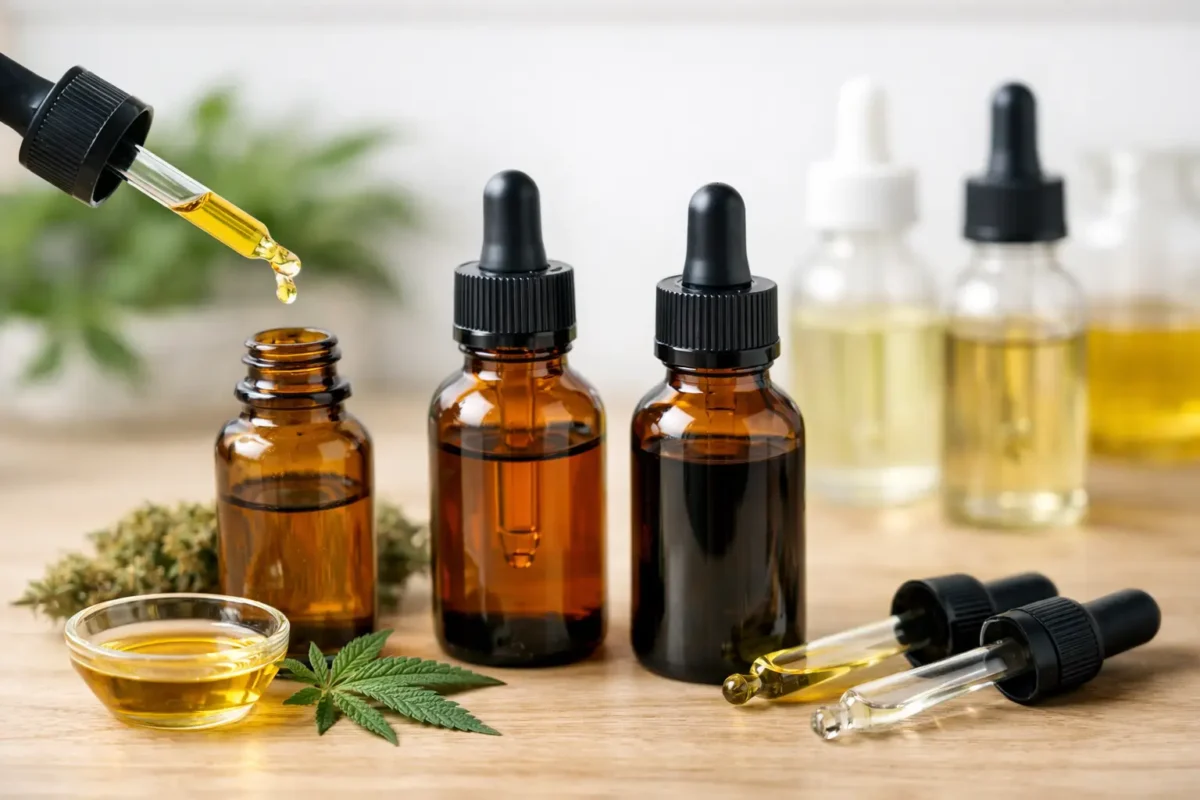
CBD tinctures are liquid CBD extracts, usually blended with a carrier oil such as MCT coconut oil or hemp seed oil. They are commonly sold in dropper bottles and measured by the full dropper, half dropper, or milliliter.
The format is popular because it is easy to adjust. Unlike a fixed-dose gummy, a dropper lets you make smaller changes from one serving to the next. That flexibility is useful, but only when the label tells you exactly how much CBD is in each serving.
Tincture, Oil, and Sublingual Use
Online stores often use “CBD tincture” and “CBD oil” as interchangeable category terms. Traditionally, a tincture may use alcohol as an extraction base, while an oil uses a fat-based carrier. In regular retail browsing, focus less on the name and more on the ingredient panel and milligrams of CBD.
Many customers place the liquid under the tongue, hold it briefly, then swallow. Others add it to a drink or food. Under-the-tongue use may feel more predictable for some people, while mixing it into food is convenient but can make timing less consistent.
Start With a Real Buying Problem
The most common shopping mistake is treating every CBD bottle as the same product. It is not. A low-cost 300 mg bottle may look like a deal until you compare it with a 1,500 mg bottle that delivers five times the total CBD.
Start with the outcome you want from the format: a daytime, non-intoxicating option; a routine nighttime product; a THC-free formula; or a higher-strength bottle that lasts longer. Then compare labels within that lane. Price per milligram is a smarter number than the sticker price alone.
Choose a CBD Tincture Spectrum
The extract category determines what else is present alongside CBD. This is the first filter to use before checking flavor, bottle size, or promotional pricing.
| Extract type | What it generally contains | Best fit | Main trade-off | |—|—|—|—| | CBD isolate | CBD with no other cannabis compounds | Buyers seeking a simple CBD-only formula | No minor cannabinoids or plant compounds | | Broad-spectrum CBD | CBD plus selected cannabis compounds, typically without detectable THC | Buyers wanting a wider profile while avoiding THC | Label claims still need COA verification | | Full-spectrum CBD | CBD plus naturally occurring cannabis compounds, including trace THC where lawful | Experienced buyers comfortable with the formula profile | May not suit drug-testing concerns |
Full-Spectrum, Broad-Spectrum, or Isolate?
Choose isolate when CBD-only simplicity is your priority. Choose broad-spectrum when you want a formula with additional hemp compounds but prefer to avoid THC. Choose full-spectrum only if you understand that hemp-derived products can contain trace THC and that this can matter for work, travel, or testing.
No spectrum is automatically “best.” It depends on your comfort level, local rules, other products you use, and whether a drug test is part of your life.
Pick Potency That Matches Your Routine
Potency is the amount of CBD in the bottle and in each serving. Common bottles range from 300 mg to 3,000 mg or more, but the right starting point is not necessarily the highest number.
A first-time buyer may prefer a lower or mid-range strength for easier adjustments. A repeat buyer who already knows their preferred serving may get better value from a more concentrated option. Higher potency does not mean you must take a larger serving. It means you can use less liquid to reach the same milligram amount.
Read Total Milligrams and Milligrams Per Dropper
Use this quick calculation: total CBD milligrams divided by the number of servings equals CBD per serving. For example, a 1,500 mg bottle with 30 full-dropper servings provides 50 mg per full dropper.
Check whether the brand defines a serving as one full dropper, half dropper, or a different volume. This is where labels can create confusion. Compare like for like: milligrams per mL, milligrams per serving, and total bottle milligrams.
Carrier Oil, Flavor, and Ingredients
The carrier oil affects taste, texture, and dietary fit. MCT oil is common, mild, and widely used. Hemp seed oil has a more noticeable earthy flavor. Some formulas include natural flavoring, terpenes, sweeteners, or botanicals.
Keep the ingredient list short when possible. A straightforward bottle should clearly identify its CBD extract, carrier oil, and any flavor components. If you have coconut sensitivity, check MCT sources carefully. If you avoid alcohol, sugar, or artificial flavoring, verify those details before adding a bottle to your cart.
How to Read a COA Before Buying
A COA is a third-party lab report tied to a specific product batch. It should confirm cannabinoid potency and screen for contaminants such as heavy metals, pesticides, residual solvents, and microbial content.
Match the batch or lot number on the bottle to the report when that information is available. The cannabinoid result should be reasonably close to the label claim. A small variation can happen, but a major gap is a reason to move on.
COA Red Flags That Deserve a Pass
Skip products when the report is missing, outdated, unrelated to the listed product, or impossible to match to a batch. Also be cautious with labels promising guaranteed medical outcomes, instant results, or vague “proprietary hemp blend” language without actual cannabinoid amounts.
CTA: Compare CBD tinctures by extract type and total milligrams before choosing a bottle. A clear label and a batch-specific COA should narrow the field quickly.
Branching Quiz: Which Bottle Fits You?
Start with one question: do you need to avoid THC as much as possible?
If yes, choose a CBD isolate or a broad-spectrum tincture, then confirm the COA supports the product claim. If workplace or athletic testing is a serious concern, remember that no hemp product can promise a zero-risk testing outcome.
If no, ask whether you prefer a fuller hemp profile. If you do, a full-spectrum formula may be worth comparing. If you want the simplest ingredient approach, isolate remains a practical choice.
Next, ask whether you are new to tinctures. If yes, start with a strength that makes small serving changes easy. If no, calculate your usual daily milligrams and compare larger bottles by price per milligram.
CBD Tinctures and Drug Testing
Full-spectrum CBD tinctures may contain trace THC. Even legally compliant hemp products can create risk for people subject to drug screening, especially with frequent use or highly sensitive tests.
Broad-spectrum and isolate options may reduce that concern, but they do not eliminate every variable. Manufacturing errors, cross-contamination, individual metabolism, and test sensitivity all matter. If passing a drug test is critical, the cautious choice may be to avoid CBD products altogether until you have professional guidance.
Medication, Pregnancy, and Health Considerations
CBD can interact with certain medications. Talk with a qualified clinician or pharmacist before using CBD if you take prescription drugs, particularly medications with grapefruit warnings, blood thinners, seizure treatments, or sedatives.
Avoid treating a tincture as a replacement for medical care. People who are pregnant, breastfeeding, managing liver conditions, or buying for minors should seek medical advice first. Adult buyers should also keep bottles sealed and away from children and pets.
Make a First Order That Makes Sense
Build a small, purposeful order instead of grabbing several random strengths and flavors. Choose one formula, confirm the serving math, and use it consistently enough to understand how it fits your routine. Changing products every day makes comparison harder.
For value, compare the cost per milligram across bottle sizes. A larger bottle can be the better buy only if you will use it before its best-by date and actually like the carrier oil and flavor.
CTA: Check current CBD tincture availability by strength, spectrum, and bottle size, then choose the formula that matches your actual serving target.
Storage and Shelf Life
Keep CBD tinctures tightly closed in a cool, dark place. Heat, direct sunlight, and repeated exposure to air can affect flavor and product quality over time. Do not leave a bottle in a hot car or near a sunny window.
Check the best-by date, inspect the liquid before use, and follow the label if refrigeration is recommended. Cloudiness can occur with some oil-based products in cold conditions, but a strong off smell, unusual separation, or damaged seal calls for caution.
Buy CBD Tinctures With Intent
The better bottle is not the loudest label or the biggest discount. It is the one with a verified COA, a spectrum that fits your THC comfort level, and enough CBD per serving to make the price make sense. CTA: Build your next CBD order around clear milligrams, clean ingredients, and a formula you can measure confidently.