
Guide
How Long Does Cocaine Stay in System for Roadside Test?
Sep
Intro
How long does cocaine stay in system for roadside test? A roadside saliva test may detect recent cocaine use for roughly 6 to 24 hours, sometimes longer. That is not a safe-driving countdown. If you have used cocaine, the practical call is simple: do not drive until you are fully sober and can make a safe alternative plan.
Key Takeaways
- Roadside drug tests usually use oral fluid (saliva), not urine or hair. Their focus is recent use.
- Cocaine may be detectable in saliva for about 6 to 24 hours, with some results extending toward 48 hours depending on the test and the person.
- Detection and impairment are different. A negative test does not prove you can drive safely, and a positive screening result does not always settle a legal case.
- There is no reliable drink, supplement, mouthwash, or “detox” product that makes driving after cocaine use safe or guarantees a negative result.
The Short Answer on Roadside Cocaine Tests
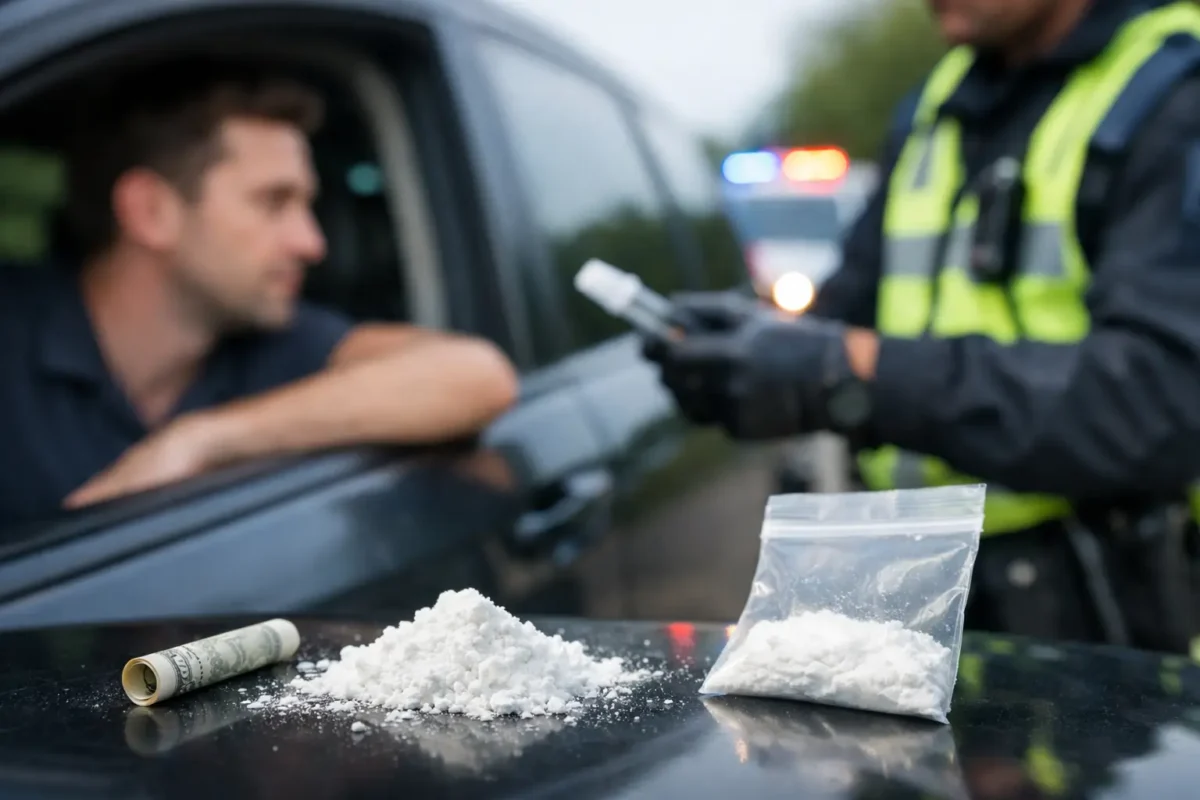
Roadside testing programs vary across the United States, Australia, and Europe, but the most common format is an oral-fluid screening test. An officer collects saliva with a swab, then the device screens for selected drugs or drug groups.
For cocaine, a reasonable general detection estimate is 6 to 24 hours after use. Heavy or repeated use, higher doses, dry mouth, individual metabolism, and the specific testing device can all change that window. Some people may produce detectable oral-fluid results beyond a day.
Treat every estimate as an explanation of test limits, not permission to drive. If there is any doubt about your condition, leave the car parked and arrange a ride.
What a Roadside Cocaine Test Looks For
A saliva device may screen for cocaine itself and, depending on the method, related compounds created as the body processes it. Cocaine is absorbed and cleared relatively quickly, but the body’s breakdown products can remain measurable longer in certain sample types.
A roadside device is generally a first screen. If it returns a non-negative result, the next step can include a second oral-fluid sample or a laboratory-confirmed blood or saliva test. Procedures, legal thresholds, and consequences depend on where the stop occurs.
Saliva Is Built for Recent Exposure
Oral-fluid testing is popular at the roadside because collection is quick, observed, and less invasive than blood collection. It is designed to identify relatively recent exposure, which is why its window is often shorter than urine testing.
But saliva testing is not perfect. Food, drink, smoking or vaping, mouth dryness, device sensitivity, collection quality, and the time since use can influence a result. That uncertainty is exactly why screening tests may be followed by confirmation.
Cutoffs Matter as Much as Timing
Every testing method uses a cutoff – the concentration at which the test reports a result. Two devices can have different cutoffs, so there is no single universal answer that applies to every roadside program.
This is also why online promises such as “clear cocaine in four hours” are unreliable. Your body does not process drugs according to a shopping-cart timer, and neither do enforcement devices.
How Long Does Cocaine Stay in System for Roadside Test?
The table below gives broad, educational detection ranges. They are not legal advice, medical clearance, or a guide for deciding when to get behind the wheel.
| Test type | Typical broad detection window | Common use | |—|—:|—| | Roadside saliva/oral fluid | About 6-24 hours; sometimes up to 48 hours | Recent-use screening during traffic stops | | Blood | Hours to roughly 1-2 days | Confirmation and impairment investigations | | Urine | About 2-4 days; longer with frequent use | Workplace, treatment, or other non-roadside testing | | Hair | Up to about 90 days | Long-term exposure history, not recent impairment |
A person may feel “normal” before every trace has cleared. The reverse can also happen: a sample can be detectable when obvious effects have faded. Neither situation makes driving a smart gamble.
Why Cocaine Detection Times Differ
There is no universal clearance schedule. Drug tests measure biological samples, while real-world use involves different doses, routes of use, frequency, health factors, and testing equipment.
Frequency and Amount Used
A single, smaller exposure may produce a shorter detection period than repeated or heavy use. Frequent use can increase the chance that metabolites remain measurable in blood or urine for longer periods. With oral fluid, recent exposure remains the central issue, but the range is still not predictable enough for a driving decision.
Your Body and the Test Conditions
Hydration, liver function, kidney function, oral health, body chemistry, and medications can affect processing or sampling. None of these factors can be calculated accurately enough to create a personal “safe to drive” hour.
Trying to manipulate a sample with excessive water, mouth products, or unverified detox kits can create health risks and may not change a result. Do not substitute internet tricks for a safe transportation plan.
Detection Is Not the Same as Impairment
Cocaine can affect attention, judgment, impulse control, heart rate, and risk-taking. The stimulant effects may make someone feel alert while their decisions become less reliable. Sleep loss after use can further reduce reaction time and concentration, even after the strongest effects fade.
Legal systems handle this differently. Some jurisdictions focus on the presence of certain drugs, while others require evidence related to impairment or a specified concentration. For drivers, the risk is larger than a test result: a crash, arrest, injury, or fatal mistake can happen before any swab is taken.
Can You Beat a Roadside Drug Test?
No method is dependable, and we cannot help with bypassing or defeating drug testing. Products marketed as cleansing drinks, synthetic saliva, masking agents, or rapid detox solutions are not a responsible answer. They can fail, create additional legal trouble, and encourage someone to drive when they should not.
The only safety-first option is to avoid driving after cocaine use. If you need to get somewhere, use a sober driver, taxi, rideshare, public transit, or stay where you are.
What to Do If You Have Used Cocaine
Start with the immediate problem: do not drive. Put distance between yourself and the keys, cancel the errand, and contact someone sober. If you feel chest pain, severe anxiety, confusion, overheating, shortness of breath, or an irregular heartbeat, seek urgent medical help.
CTA: Make the next move safer – book a ride, call a sober friend, or stay put until you are genuinely well rested and sober. A delayed plan is cheaper than an impaired-driving charge or a medical emergency.
If You Are Stopped
Stay calm, follow lawful instructions, and avoid making the situation worse. Rules on roadside testing, refusal, confirmatory testing, and legal representation differ substantially by location. If you face a charge or administrative penalty, speak with a qualified local attorney rather than relying on message boards or product claims.
Quick Branching Quiz: What Is the Right Next Step?
Did you use cocaine recently, within the last day or so?
- Yes: Do not drive. Choose a ride, public transit, or a safe place to stay.
- No, but I feel wired, exhausted, anxious, or sleep-deprived: Do not assume you are fit to drive. Rest and use another form of transportation.
- No, and I am concerned about a past test or charge: Get location-specific legal advice. Detection windows cannot predict a legal outcome.
- I have chest symptoms, confusion, or feel unwell: Seek urgent medical care. Transportation can wait.
CTA: Before you make plans, make a transport plan. Keep rideshare funds, transit options, or a sober contact available before a night out begins.
Roadside Rules Change by Location
In the United States, laws can change from state to state, including implied-consent rules and whether drug presence, impairment, or both are central to an offense. Australia uses highly visible roadside drug-testing programs in many areas, with oral-fluid testing commonly used. European rules also vary widely by country.
For travelers, this matters. A behavior that carries one consequence at home may trigger a different testing process or penalty abroad. Never assume a cannabis rule, prescription rule, or drug-driving rule transfers across borders.
Mixing Substances Raises the Risk
Combining cocaine with alcohol, cannabis, benzodiazepines, opioids, or other drugs can make effects less predictable and more dangerous. Alcohol and cocaine can form cocaethylene in the body, which is associated with added strain on the heart. Mixing stimulants and depressants can also hide warning signs until they become severe.
This is not a product-comparison category. Do not mix substances and then try to calculate whether you can drive. The safer choice is no driving.
Keep the Keys Out of the Equation
Experienced consumers often plan product formats, potency, and price before ordering. Apply that same practical planning to transportation. If you expect to use any intoxicating substance, decide in advance where you will stay, who will drive, and how you will get home without taking the wheel.
CTA: Build your night around a sober exit plan first, then keep the keys out of reach. Roadside detection windows are uncertain; protecting yourself and everyone else on the road is not.