
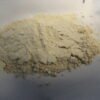
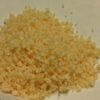

Amphetamine powder
Price range: 200 $ through 17 400 $
Buy Pure Amphetamine Powder online. Amphetamine is a synthetic stimulant that usually comes as a white, grey, yellowish or pinky powder.
For any quantity above 1kg, please contact us to negotiate price.
About amphetamine
A synthetic substance. Normally seen as a white powder, it acts as a stimulant of the central nervous system (CNS). It is believed that amphetamine was first manufactured in the 1880s by the German chemist Leuckart, although evidence for this is lacking. It appears that, as in the case of methamphetamine, systematic studies of its chemistry did not come about until the early twentieth century. Amphetamine has some limited therapeutic use, but most is manufactured in clandestine laboratories in Europe. It is under international control and closely related to methamphetamine.
Chemistry
Amphetamine (CAS-300-62-9) is a member of the phenethylamine family, which includes a range of substances that may be stimulants, entactogens or hallucinogens. Thus, amphetamine is α-methylphenethylamine.
According to IUPAC, the fully systematic name is α-methylbenzeneethanamine. The asymmetric α-carbon atom gives rise to two enantiomers. These two forms were previously called the [–]- or l-stereoisomer and the [+]- or d-stereoisomer, but in modern usage are defined as the R- and S-stereoisomers.
Molecular structure
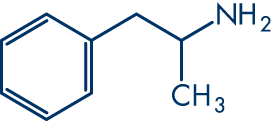
Molecular formula: C9H13N
Molecular weight: 135.2
| QUANTITY | 10 Grams, 20 Grams, 50 Grams, 100 Grams, 500 Grams, 1 KG |
|---|
Be the first to review “Amphetamine powder”
Related products


Newly Added


Reviews
There are no reviews yet.