
Guide
Adult Cannabis Impairment and Safe Driving
Sep
Intro
Adult cannabis impairment is not a vibe check. If THC has slowed your reaction time, narrowed your attention, or changed your judgment, do not drive, work at height, or make a safety-critical call. Wait it out.
Key Takeaways
- Feeling normal is not the same as being unimpaired. Attention, tracking, and reaction time can still be affected.
- Smoking and vaping come on faster, but edibles can last much longer. Your product format changes your safety window.
- Never stack THC with alcohol, sedatives, opioids, or other intoxicants before driving or handling anything risky.
- The practical rule is simple: if you have to question whether you are clear enough, choose a ride, delay the task, or stay put.
The Straight Answer on Cannabis Impairment
Cannabis can impair skills that matter in real life: reaction time, divided attention, short-term memory, coordination, distance judgment, and decision-making. The exact effect depends on the product, THC level, amount used, your tolerance, your body, whether you ate recently, and whether another substance is involved.
There is no universal number of hours that makes every adult safe to drive. A frequent user may feel less intoxicated than an occasional user, but that does not guarantee normal performance. The safer choice is to plan your transportation and responsibilities before THC enters the picture.
What Adult Cannabis Impairment Can Look Like
Impairment is not always dramatic. You may not be visibly high, yet still struggle with a task that requires fast judgment. Common signs include delayed responses, wandering attention, difficulty following several steps, poor balance, distorted time perception, anxiety, or feeling unusually confident about a bad idea.
For drivers, the problem is often not one obvious mistake. It is the missed detail: a brake light noticed late, a pedestrian seen too slowly, a turn judged poorly, or an unexpected traffic change handled too cautiously or too aggressively.
Why Product Format Changes the Timeline
The way THC enters the body affects onset, peak effects, and how long impairment may remain relevant. Edibles deserve extra caution because delayed onset can lead people to take more before the first serving has fully taken effect.
| Product format | Typical onset pattern | Practical impairment concern | |—|—|—| | Flower or pre-roll | Often felt within minutes | Fast onset can create false confidence once the obvious high fades | | Vape cartridge or disposable | Often felt within minutes | High-potency products can make repeated pulls easy to underestimate | | THC edible or gummy | Delayed, often 30 minutes to 2 hours | Effects may last for many hours and can feel stronger after a second serving | | Tincture or drink | Variable, depending on use and food | Timing can be less predictable than inhaled products | | Concentrate | Often rapid and intense | Small amounts may produce more impairment than expected |
Onset Is Not the Same as Peak Effect
A fast hit does not mean a short night. With inhaled cannabis, the strongest effects may arrive quickly, but residual slowing and reduced focus can outlast the feeling of being obviously high. With edibles, the delayed climb is the central risk.
Do not take another edible simply because the first one has not announced itself yet. Give the label-directed serving time room to work. If you are responsible for a car, a shift, childcare, or travel, postponing THC is usually the cleanest decision.
Tolerance Can Mislead Experienced Users
Regular shoppers often know their preferred strains, carts, and gummies. That familiarity is useful for avoiding surprises, but tolerance can create a blind spot. You may feel composed while still showing measurable changes in tracking, attention, or reaction time.
Tolerance also does not transfer perfectly between categories. A familiar flower routine is not the same as a potent concentrate, a new disposable vape, or an edible made with a different cannabinoid blend. Treat a new format or stronger label as a new variable.
Adult Cannabis Impairment and Driving
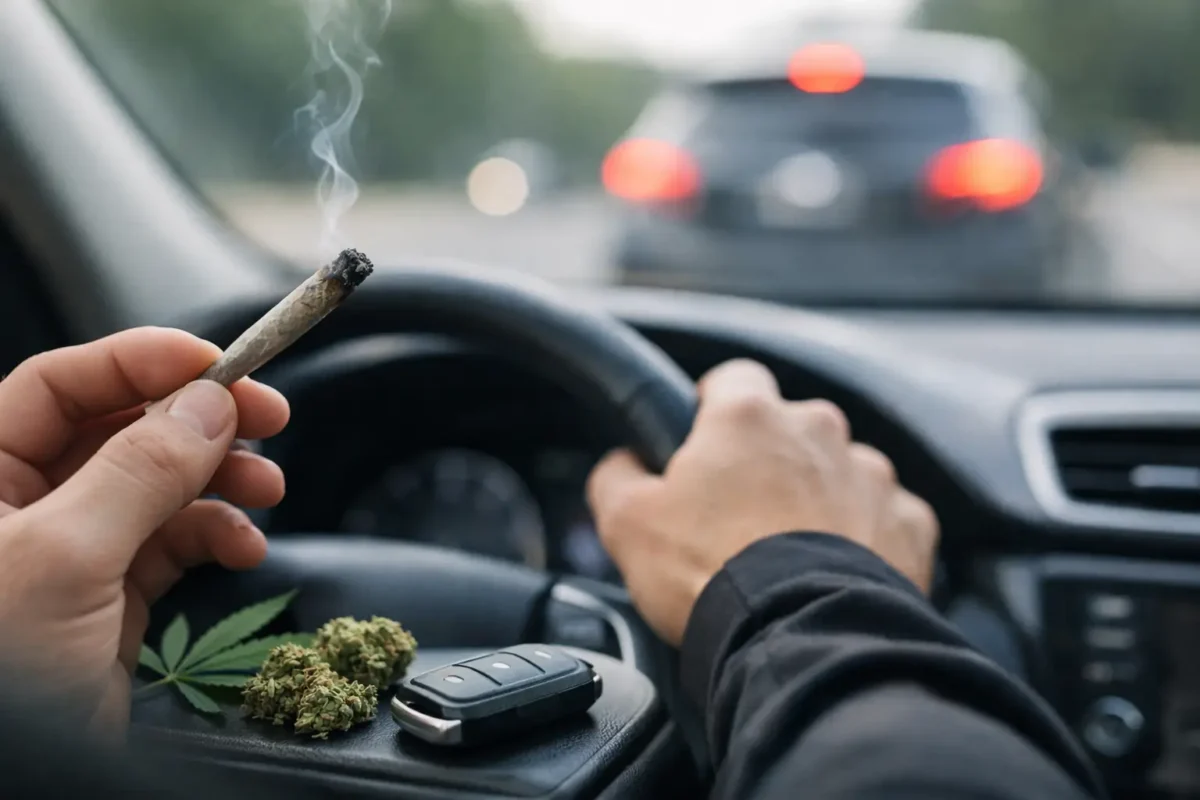
Driving after cannabis is a poor place to test your personal limits. The consequences extend beyond a ticket or failed roadside interaction. A crash can injure someone, disrupt work, raise insurance costs, and create legal problems that last far longer than the high.
Build your plan before use. If you are meeting friends, set a sober driver, rideshare budget, transit route, or overnight option in advance. If you are at home, leave your keys alone. The best impaired-driving decision happens before the product is opened.
Work, Tools, and High-Consequence Tasks
A car is not the only risk. THC can be a bad fit before operating machinery, climbing ladders, cooking with open flames, using power tools, supervising vulnerable people, or completing detail-heavy work where mistakes affect others.
For remote workers, impairment can still matter. Sending sensitive emails, approving payments, handling customer records, signing contracts, or making a major purchase can become harder when memory and judgment are off. Save decisions that cannot be easily undone for a clear-headed time.
Quick Branching Quiz: What Should You Do Next?
Start here: Have you used THC in the last several hours, or are you still feeling any effect?
If yes, ask whether you need to drive, travel, work, use tools, or make an important decision. If yes again, do not proceed with that task. Arrange another option or delay it.
If no, ask whether you used an edible, a concentrate, an unfamiliar product, or THC alongside alcohol or medication. If yes, give yourself a wider margin and avoid safety-sensitive plans. Delayed or combined effects are harder to predict.
If no to both, you may still choose to wait if you feel tired, distracted, anxious, or mentally foggy. Your condition matters more than your schedule.
What to Do if You Feel Too High
First, stop using more. Move to a calm, familiar place, sit or lie down if dizzy, drink water, and choose a low-stimulation activity. Avoid driving yourself home, trying to “fix” the experience with alcohol, or mixing in another drug.
If possible, tell a trusted sober adult what you took and when. Seek urgent medical help for chest pain, trouble breathing, loss of consciousness, seizure-like activity, severe confusion, or behavior that could cause immediate harm. When in doubt, contact local emergency services or poison-control support.
Mixing Substances Raises the Stakes
Cannabis is not a standalone decision when alcohol, benzodiazepines, sleep aids, opioids, stimulants, or other psychoactive substances are in the mix. Combinations can make impairment stronger, less predictable, and harder to recognize from the inside.
This is where price bundles and broad carts need discipline. A larger order does not mean every product belongs in the same session. Keep categories separate, read labels, and make one clear plan at a time.
Buying With Impairment in Mind
Smart shopping starts with knowing the job the product needs to do and the time you can safely set aside. Browse formats by onset and duration, not just by the biggest THC number or the lowest promotional price. A product that fits a quiet evening at home may be a poor choice before travel or a morning commitment.
Before adding THC items to your cart, check the label for serving information, cannabinoid content, and product type. If you are trying a new category, avoid making it part of a night with obligations. At Global Marijuana Dispensary, use clear category browsing to compare flower, vapes, concentrates, tinctures, and edibles before choosing the format that matches your available downtime.
Three Checks Before Checkout
Use these checks to keep convenience from becoming a bad call:
- Calendar check: Do you have driving, work, travel, childcare, or a morning commitment that could overlap with effects?
- Category check: Are you buying a familiar format, or something that may have delayed or stronger effects?
- Combination check: Will alcohol, medication, or another intoxicant be involved? If yes, remove the THC plan from that occasion.
Build your order around the time you actually have, not the time you hope the effects will take.
When to Talk With a Health Professional
Talk with a qualified clinician or pharmacist before using cannabis if you are pregnant or nursing, have a heart condition, have a history of psychosis or severe anxiety, or take medication that may affect alertness. The same applies if cannabis repeatedly causes panic, vomiting, faintness, or unusually prolonged confusion.
Laws and workplace rules also vary by location. Adult access does not cancel impaired-driving laws, employer policies, or safety requirements. Check the rules that apply where you live and where you work before making assumptions.
Make the Safer Call Before You Need It
Set your ride, protect your next-day schedule, and keep higher-risk formats for times when you can stay home. Cannabis is easier to enjoy when your transportation, responsibilities, and product choice are already handled.